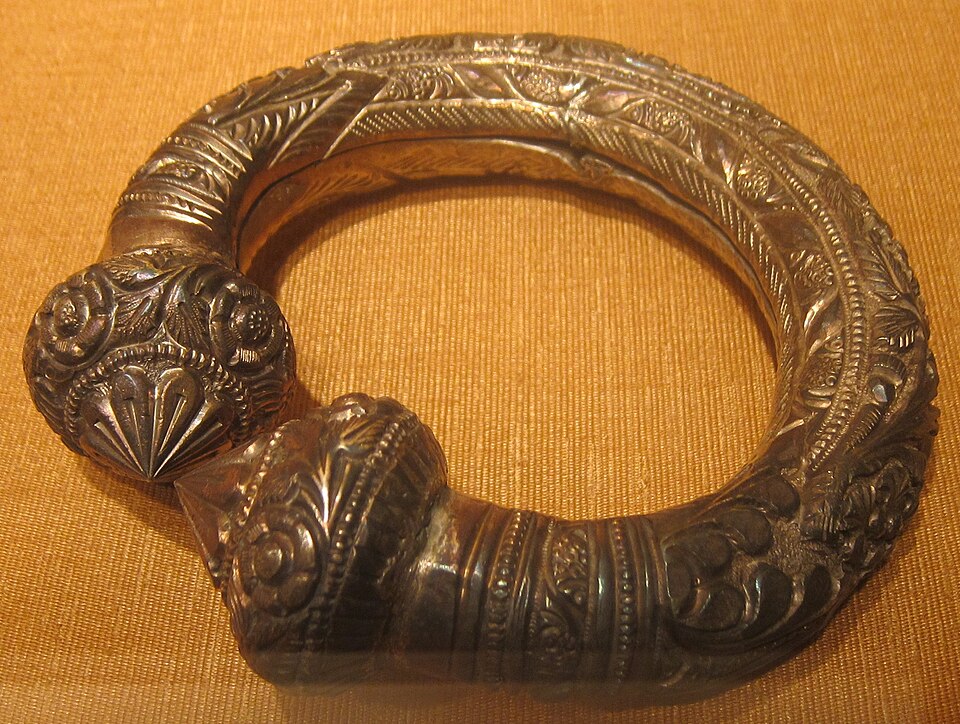
This 19th century Silver object from Central India or Rajasthan is part of The Met’s open-access collection. The article looks at its materials, scale and place in anklet history.
This 19th century Silver object from Central India or Rajasthan is part of The Met’s open-access collection. The article looks at its materials, scale and place in anklet history.
This 19th century Silver object from Central India is part of The Met’s open-access collection. The article looks at its materials, scale and place in anklet history.
This 19th century Silver object from Central India is part of The Met’s open-access collection. The article looks at its materials, scale and place in anklet history.
This ca. 1887–1813 B.C. Gold, carnelian, turquoise object from Egypt is part of The Met’s open-access collection. The article looks at its materials, scale and place in anklet history.
This 19th century Gold object from India is part of The Met’s open-access collection. The article looks at its materials, scale and place in anklet history.
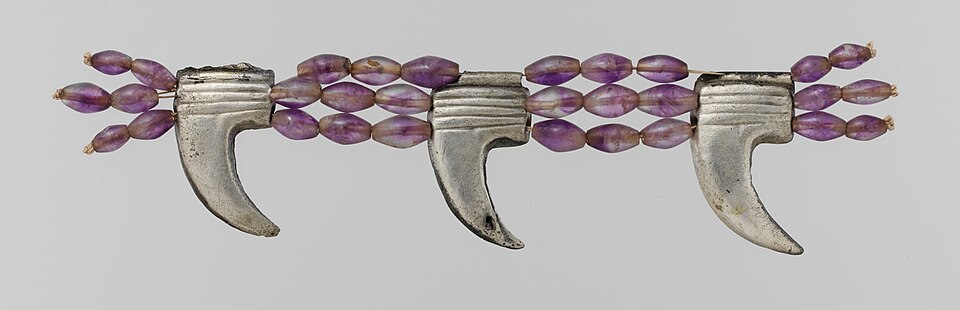
This ca. 1887–1813 B.C. Gold, amethyst object from Egypt is part of The Met’s open-access collection. The article looks at its materials, scale and place in anklet history.
This 19th century Gold object from India is part of The Met’s open-access collection. The article looks at its materials, scale and place in anklet history.
This 19th century Silver object from India is part of The Met’s open-access collection. The article looks at its materials, scale and place in anklet history.
This ca. 1887–1813 B.C. Gold, amethyst object from Egypt is part of The Met’s open-access collection. The article looks at its materials, scale and place in anklet history.
This ca. 300 BCE–200 CE Bronze object from Thailand (Ban Chiang) is part of The Met’s open-access collection. The article looks at its materials, scale and place in anklet history.
This 500 BCE–300 CE Bronze object from Thailand is part of The Met’s open-access collection. The article looks at its materials, scale and place in anklet history.