Lyngurium or Ligurium is the name of a mythical gemstone believed to be formed of the solidified urine of the lynx (the best ones coming from wild males). It was included in classical and "almost every medieval lapidary" or book of gems until it gradually disappeared from view in the 17th century. P
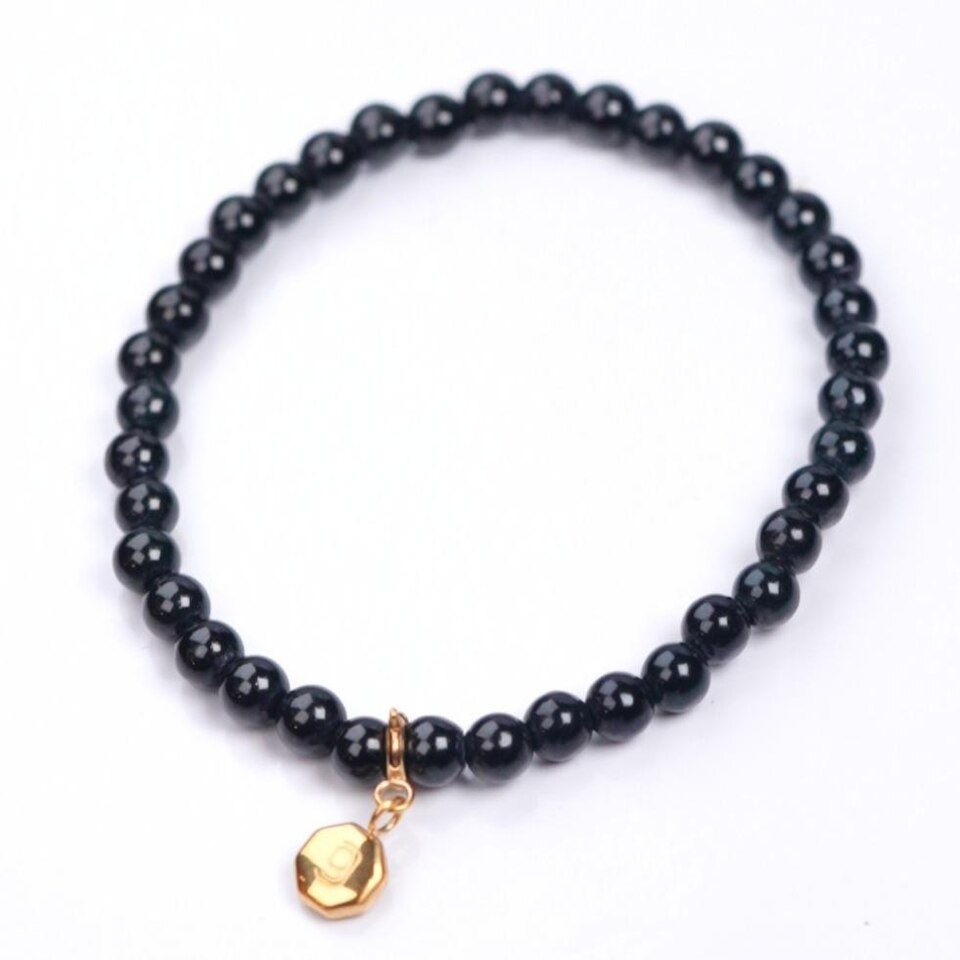
An Italian Charm bracelet, also known in the US as a charms bracelet, is a series of individual modular links hooked together on a stretchy band to form a single charm bracelet. A typical Italian charm bracelet comprises eighteen charm links. Each link features a charming face (design or image) sold
Sterling silver is an alloy composed by weight of 92.5% silver and 7.5% other metals, usually copper. The sterling silver standard has a minimum millesimal fineness of 925. Fine silver, which is 99.9% pure silver, is relatively soft, so silver is usually alloyed with copper to increase its hardness
Sapphirine is a rare mineral, a silicate of magnesium and aluminium, with the chemical formula (Mg,Al)8(Al,Si)6O20 (with iron as a major impurity). Named for its sapphire-like colour, sapphirine is primarily of interest to researchers and collectors: well-formed crystals are treasured and occasional
Pezzottaite, marketed under the name raspberyl or raspberry beryl, is a mineral species first recognized by the International Mineralogical Association in September 2003. Pezzottaite is a caesium analogue of beryl, a silicate of caesium, beryllium, lithium and aluminium, with the chemical formula Cs
A lock ring, also spelled lock-ring, is a late Bronze Age penannular (incomplete ring) hair ornament. Typically in gold, the intricate, decorative jewellery is recognized for its highly skilled workmanship. The name is derived from its suggested use as a hair fastener. Lock rings most likely origina
Titanite, or sphene (from Ancient Greek σφηνώ (sphēnṓ) 'wedge'), is a calcium titanium nesosilicate mineral, CaTiSiO5. Trace impurities of iron and aluminium are typically present. Also commonly present are rare earth metals including cerium and yttrium; calcium may be partly replaced by thorium. No
A friendship bracelet is a decorative bracelet given by one person to another as a symbol of friendship. Friendship bracelets are often handmade, usually of embroidery floss or thread and are a type of macramé. There are various styles and patterns, but most are based on the same simple half-hitch k
Sweden's regalia (Swedish: Skattkammaren) are kept in the vaults of the Royal Treasury, beneath the Royal Palace in Stockholm, where they are exhibited in a museum open to the public. The crowns and coronets have not been worn by members of the Swedish royal family since 1907, although they continue
Waist beads are a type of jewelry worn around the waist or hips and commonly worn in West Africa and North Africa. The beads are often made from materials such as glass, seeds, metal, crystals, gemstones, decorative charms, wood, or plastics. They are typically strung on cotton thread, twine, wire,
Hardstone is a non-scientific term, mostly encountered in the decorative arts or archaeology, that has a similar meaning to semi-precious stones, or gemstones. Very hard building stones, such as granite, are not included in the term in this sense, but only stones which are fairly hard and regarded a
Andesine is a silicate mineral, a member of the plagioclase feldspar solid solution series. Its chemical formula is (Ca, Na)(Al, Si)4O8, where the ratio of albite to anorthite (Na:Ca) is 50:50 to 70:30. The formula may be written as Na0.5–0.7Ca0.3–0.5Al1.3–1.5Si2.5–2.7O8. The plagioclase feldspars a