Saeed Kamali Dehghan on Covering Iran for The Guardian
“The common problem in many western media organisations is that they see Iran as black and white, and Iran is not like that. It’s a spectrum, it’s a rainbow.”
“They think we’re thieves because we’re black,” a 15-year-old told a reporter.
“All people are saying is that this is someone’s intellectual property. When it was pointed out to you, all you had to do was apologise…”
A female journalist’s brazen murder and the news of an actress facing criminal charges for an abortion reminds Colombians that justice is not carried out equally when it involves women.
Photographs of struggling Syrian refugees escaping death are plastered all over the Internet. Here’s our pick of some photographs which are not what they seem. Rami Alhames explains.
Lebanon arrests two over Facebook posts, Venezuela blocks Bitcoin sites in crusade against foreign currency, and the EU takes ‘Safe Harbor’ away from US tech companies.
“Rohat teahouse is not only a beautiful national building, but a memory from more sincere, humane and affordable times.”
With marijuana cases clogging up the courts, cannabis legalisation advocates in Trinidad and Tobago are looking to an overlooked section of the law to help their push for decriminalisation.
“Scrolling up and down Facebook, reading impressions, testimonials, opinions, statistics, I see that the main victims of the attacks are people of all colours, and over 15 nationalities.”
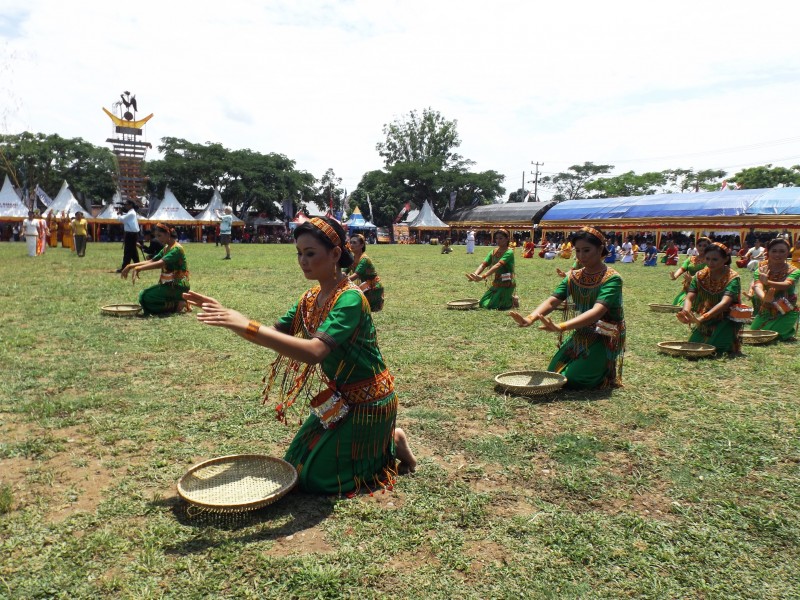
More than 100,000 people visited South Sulawesi to celebrate the “Lovely Toraja” festival. Toraja is an indigenous tribe in Indonesia with an estimated population of 1.1 million.
A multidisciplinary collective has successfully combated Mexico’s stereotypes and faced gender discrimination in the art scene and in Mexican society more broadly.
On December 6 Armenia’s government will attempt to put the country’s emboldened civil society back into its box. But is it too late?