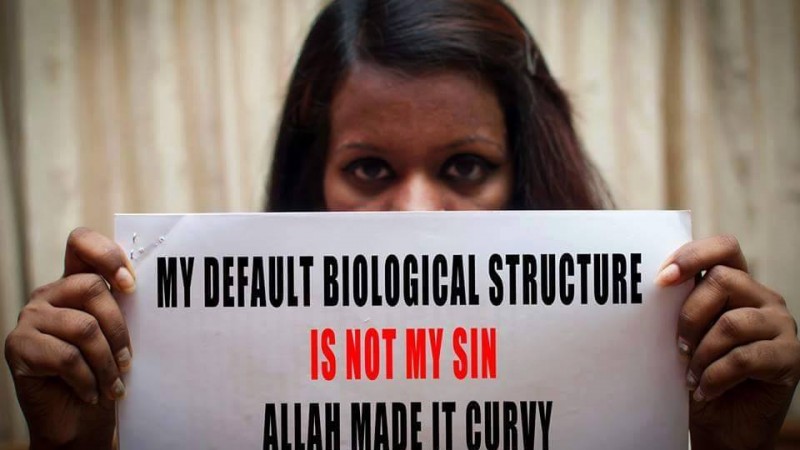
Netizens have used social media to try to identify the assailants, who were captured on film in the act. Meanwhile, social media is brimming with protests against sexual violence.
Widely commemorated globally, the centenary of the Armenian genocide was largely ignored inside Turkey—which makes missions like historian Ara Sarafian’s tour of Turkey’s Kurdish region all the more important.
“Like the Gaza Strip for the Israelis, the U.S. borderlands, dubbed a “constitution-free zone” by the ACLU, are becoming a vast open-air laboratory for tech companies.”
Many believe that both the $2-million censorship of cleavages and the government’s proposal are expensive, unnecessary, not genuine and submissive to Beijing’s political will.
Political pages are accessible, but Justin Bieber and the Kardashians are blocked. Saddled with a censorship regime that is both exhaustive and ineffective, Iranian authorities are experimenting with “intelligent” filtering.
An Internet survey conducted by international PR and advertising giant Dentsu has found that 1 in 13 Japanese people (7.7%) between the ages of 20 and 59 identify as LGBT.
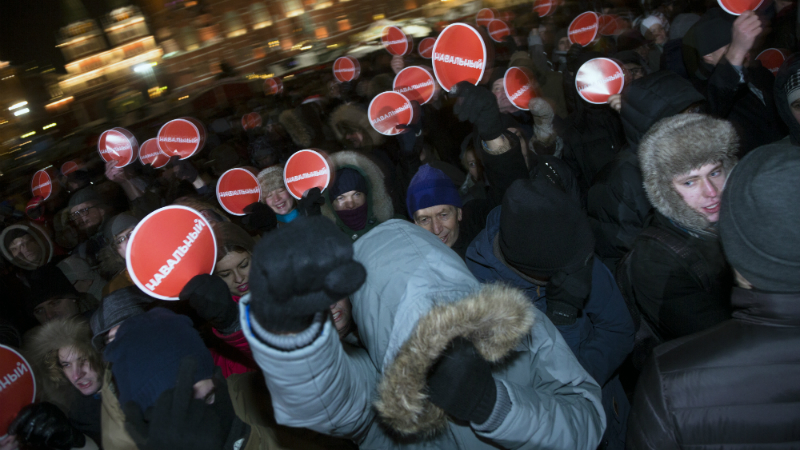
The new Russian software will allegedly be able to spot preparations for protests online long before they happen, and could supply that information to law enforcement, academics and state officials.
“If Africa’s youth comes to believe that its future lies elsewhere, it will be impossible to solve the issue of migration,” says Souleymane Bachir Diagne.