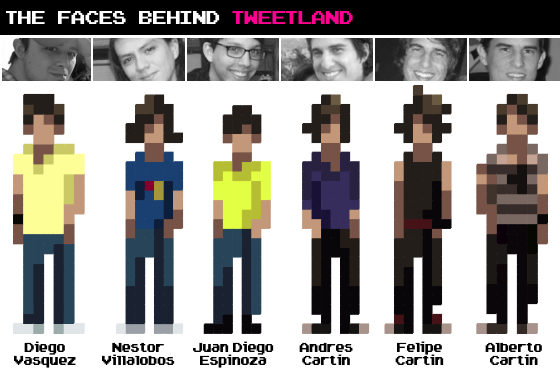
Six young video game designers in Costa Rica are looking for crowd-sourced funding for TweetLand, their real-time twitter powered games. The games are called Route 140 and LoveCity and both use real time twitter updates to influence actions that take place during the game.
Russian online space is getting more violent. The last series of attacks on LiveJournal blogging platform has proved this once again. Whatever are the reasons, the attack on LiveJournal is the attack on online speech in Russia. The bloggers, however, share responsibility for the situation.
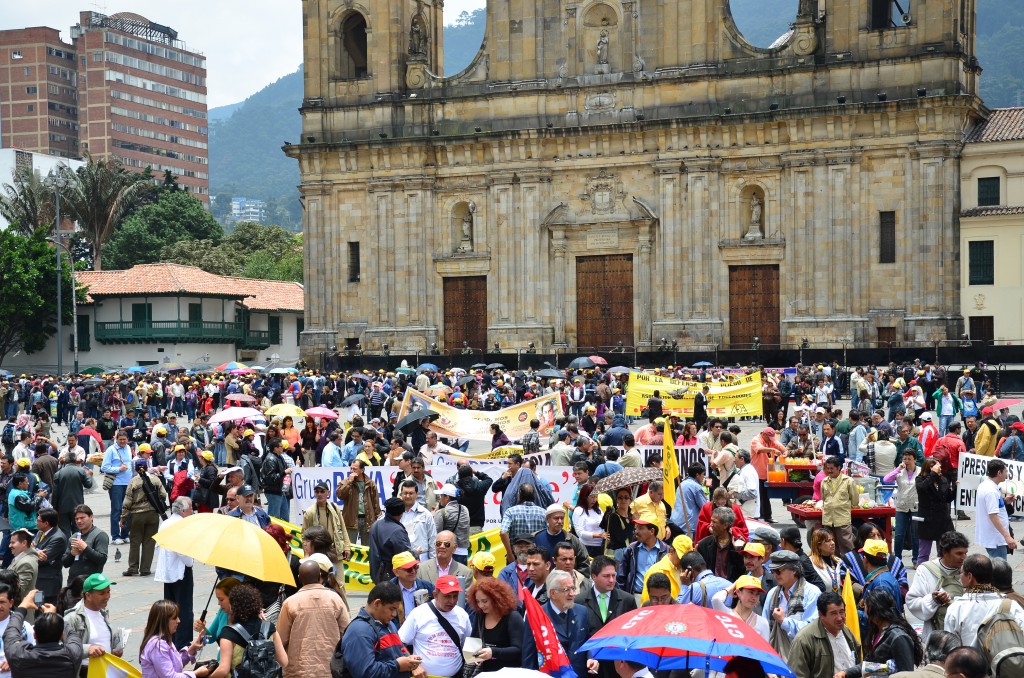
Colombian President Santos’ proposal to reform the Higher Education Law 30 has not been received well. Despite some accepting it, the loudest voices heard, online and in the streets, have been the opposition. This past April 7 a national march was held; at the same time, netizens share their concern
On April 5, 2011, social activist Anna Hazare started a fast-unto-death campaign to demand an effective anti-corruption law and hundreds of thousands of Indians supported him. Social media helped spread the campaign of Anna Hazare; netizens analyze why the campaign will never tip into a social movem
“Cyber Chaikhana” is a book project about Central Asian bloggers and their perceptions of their region, culture and everyday life. Edited by Christopher Schwartz and published by HIVOS, the book is a collection of narratives written by the bloggers at NewEurasia.net, the Central Asian blogging netwo
Inflation has long been a subject of controversy in Argentina, and as such is a recurring topic for discussion among bloggers. As an important political issue, it is expected to be one of the main themes debated during the presidential race next October.
Zimbabwe is a country where public discussion about the President’s health or a future without him can land one into jail. Blogs have become the only forum where “sensitive” political issues can be discussed by Zimbabwean netizens.
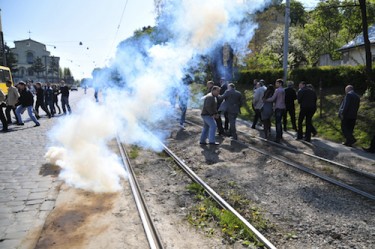
Russian television footage this week showed hooded young Ukrainians attacking World War II veterans, giving Nazi salutes, and chanting nationalist slogans. As they ripped St. George ribbons from people’s shirts, it seemed that Ukrainian youth had forgotten the terrible sacrifices made by the Soviet
On Monday, May 9, a project to construct a hydroelectric dam called Hidroaysén was approved amid a tense atmosphere marked by about 1,000 people demonstrating outside the place where the voting took place. In social networks, slogans against the government and the project were quickly followed by th
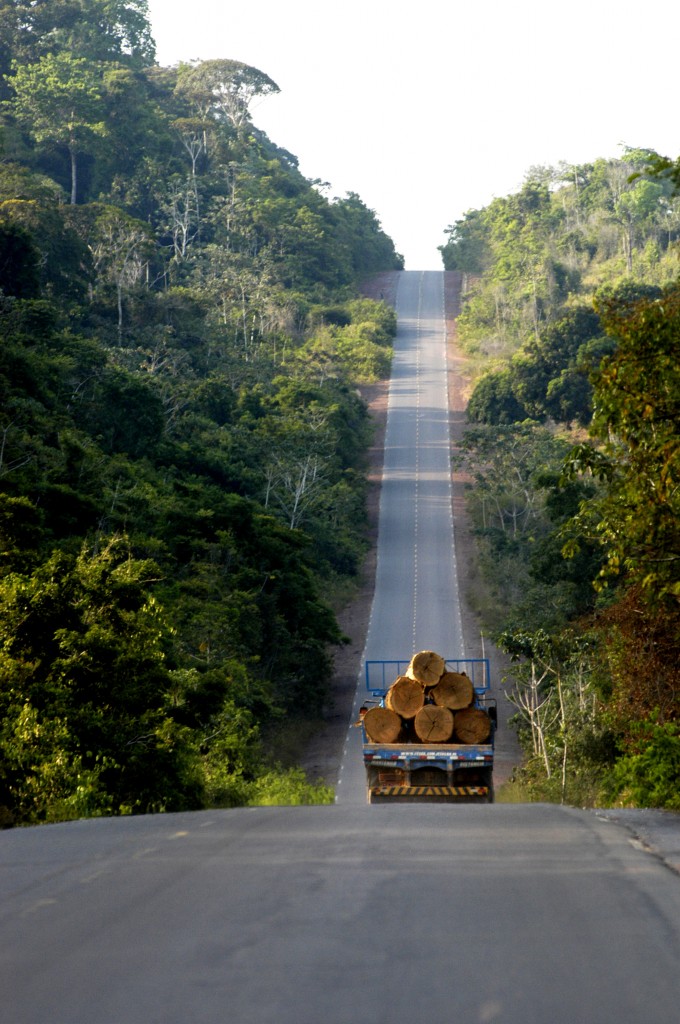
Across the past few weeks, the Brazilian National Congress has been abuzz with the pressure to vote on a new Forestry Code. The project based on proposed changes of the existing Code is backed by a coalition of Deputies of the so-called “Ruralist Front”. Environmentalists have mobilized against the
Ousted president Manuel Zelaya returned to Honduras from exile nearly two years after he was removed from office through a coup. Bloggers report on the atmosphere before and after his arrival, and analyze what his return means for the country.
What effect can the rapid development of social networks, the growth of the number of users, and the strengthening of their capacity for social impact and mobilisation have, and when? Marina Litinovich analyses the factors contributing to public mobilisation via social networks.