This story by Global Voices originally appeared on Global Voices on 2010-03-19. It is republished under a Creative Commons Attribution 3.0 license. Images and embedded media have been removed; formatting may differ. Read the original article.
Through videos, we see and learn about the cultural importance and economical boost that working with fabric is giving some people and organizations in Mali. From a women's group which claim to have placed Mali as a power in the cloth dying industry, to artists who have decided to make Bogolanfini or mud dyed cloths their medium, to the touristic industry that has grown around this art.
First, via Craft: we learned of a recent fundraising activity Maureen Gosling organized to assist her in finishing her documentary about the women cloth dyers of Bamako (Mali's capital city). In this video preview, the women dyers speak about the importance their dyed cloth has in Mali and how working with it has impacted their lives:
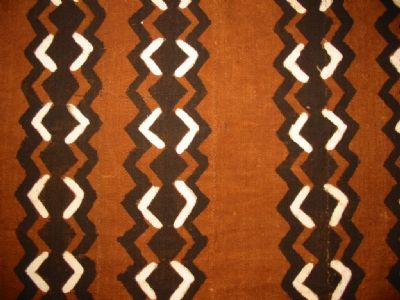
Another traditional textile is the mudcloth. This next video from TravelWestAfrica shot in Ségou, we see how they make the dyes which include the mud that gives the cloth its name:
Another name for the mudcloth is Bogolanfini; in this following video by hubuf made in 2006, a trainer explains to a group of students what bogolan is, what it's made of and what it means for Malian culture:
In this next video by claudiodumali we can see a group of visitors learning by doing; with small scraps of cloth they experiment with the different dyes and muds used in Bogolan making in Ségou:
If you wish to know more about Bogolan, polbenmali has uploaded a 2 part documentary (part 1, part 2 [fr]) on Issiaka Dembele, an artist who turned to Bogolan as his medium. In the videos, Dembele speaks in French about his trade, but the images show clearly the intricate and time consuming process of dying the fabric yellow, covering it in pond mud left to rot for months which will turn the fabric black, and then going over the yellow areas to remove the dye in certain parts, painting over other colors in others: